
Leather Sofa or Fabric? How to Choose the Right Upholstery for Your Home
When you’re buying a big-ticket item like a sofa, you want it to be one you’ll love—and one that’s going to suit your life. Most customers have a pretty good idea of the style they’re looking for, but when it comes to choosing between leather and fabric upholstery, there’s a lot more to consider than looks. From cleaning to comfort, and everything in between, we’ve broken down the pros and cons of fabric and leather to help you make the right decision for your lifestyle.
Comfort
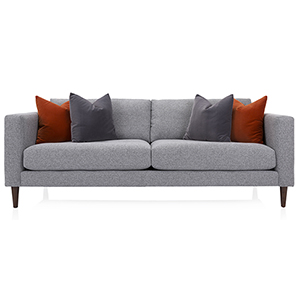
Whether you gravitate to a traditional sofa with a tufted back like the 7300 Churchill, or prefer clean, modern lines of our 2900 Sofa, your choice between leather or fabric upholstery is going to affect the overall comfort.
Natural fibre fabrics tend to feel more luxurious, soft and comfortable than synthetics—although high-quality synthetics come close. Unlike leather, a quality fabric sofa will offer a comfortable spot to sit and stretch out from day one.
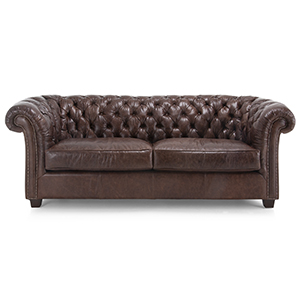
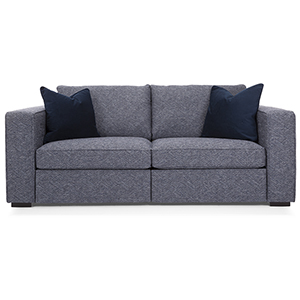
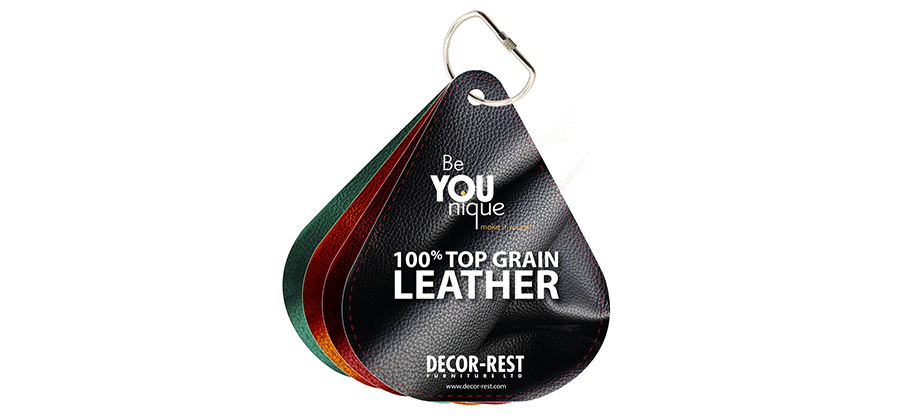
Leather, meanwhile, can be a bit stiff at first—but it’ll soften up soon enough. Leather also adjusts to temperature, which may make you hesitate, but it’s worth noting that top grain leather (the only type of leather we use at Decor-Rest) does a good job of staying cool in the summer and warm in the winter—so you won’t stick to it when it’s hot or get that chilly shock when it’s cold.
Durability
The grade of a fabric will tell you how well it performs in wearability testing—the higher the number, the more durable it is. But you can gauge this, in part, simply based on the type of fabric.
While natural fibre fabrics are soft, comfortable and look great, they tend to have a looser weave, which means they’re prone to snags and more susceptible to light and general wear and tear. Microfibre, a synthetic blend, is the most durable fabric option thanks to its ultra-fine fibre and tight weave.
A high-quality leather is perhaps the most durable option—if well-cared-for, leather furniture can last decades. It has great tear strength, and even a pet’s claws won’t poke through thick top grain leather. Leather can also be a smart idea if you’re placing it close to a wood-burning fireplace as it doesn’t burn or melt easily—unlike many fabrics.
Cleaning Considerations
Maintaining a leather sofa is fairly basic: Give it a light dusting every so often, and clean it with leather soap followed by a conditioner a couple of times a year. A fabric sofa, on the other hand, requires regular vacuuming and a deeper cleaning with an upholstery fabric.
When it comes to everyday spills, leather can often be a bit more forgiving than fabric upholstery. Leather is less porous than a lot of fabrics, so you can often clear most wet spills away with blotting, and then clean any stains with a leather soap followed by a leather conditioner. Similarly, if you have young kids, crumbs from snacktime won’t get ground into leather like they can with fabrics.
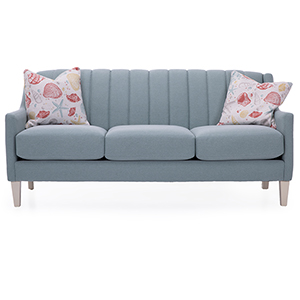
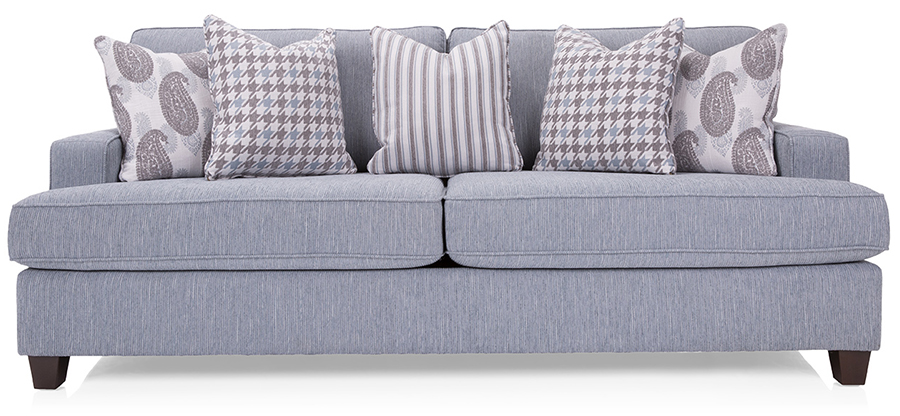
There are, however, a couple of potential drawbacks to cleaning leather. Decorative features, like tufting, nailhead trim or channels (like those on our 2830 sofa), can trap crumbs and make cleaning more painstaking. And the one stain that’s notoriously difficult, if not impossible, to remove from leather is ink. So if you have a determined little artist who likes to go rogue (or you’re starting or growing your family and may have one in the near future), fabric could very well be a better choice. Either way, if you have a young family, it’s always a good idea to opt for a sofa with reversible cushions to hide a stubborn stain that won’t budge—our 2795 sofa is a great option.
Choices for Allergy Sufferers
Does anyone in your home suffer from seasonal allergies or a dust allergy? If so, a leather sofa is going to be the best choice, while a smooth microfibre fabric will be the next best bet.
Leather forms an effective barrier to keep dust mites and other allergens from taking up residence in your sofa. Similarly, the very tight weave of microfibre makes it harder for allergens to work their way into the cushions. To help keep allergens at bay, opt for a sofa with simple, clean lines and few embellishments, like our 2052 sofa.
Have your heart set on cotton, linen or another natural-fibre fabric? Unfortunately, these are a magnet for dust mites and other allergens, and no amount of vacuuming will completely help the allergy sufferers in your family.
Pet-friendly Upholstery
You may have a rule that pets aren’t allowed on the sofa, but when you’re not home, all bets are off. If you have a furry pet or are thinking of getting one in the next few years, you definitely want to factor that into your sofa upholstery choice. Families with fur babies will likely be better off choosing a leather sofa over fabric for a few key reasons:
- Durable leathers generally stand up a bit better than fabrics to dirty paws (among other messes).
- Fur clings to fabrics and can even get ground into the weave, making cleaning extra difficult and time-consuming.
- There’s no weave for cats to sink their claws into and kneed away (thus damaging the integrity of the fabric).
- Leather doesn’t trap odours like fabric upholstery—so that eau de dog is a little less noticeable.
That said, you’ll want to keep in mind that scuffs and scratches are inevitable when you have pets and a leather sofa. If you like a weathered, lived-in look, this likely won’t be a problem. But if you want to keep your sofa looking like new, a treated high-quality fabric in a tight weave may be a better option.
Ultimately, the choice between leather and fabric upholstery is a personal one, and you’ll need to make a decision based on your family’s needs, lifestyle and aesthetic. And remember, we’re always here to help you find the best sofa for your home.